Check out the featured post and read more here: https://www.ibelieve.com/christian-living/how-psalm-23-brings-peace-in-anxious-times.html
When anxiety strikes, why do people cling to Psalm 23? From hospital rooms to funerals, panic attacks, or seasons of burnout, what do these historic words have to say about our greatest fears? And why do people who even rarely read the Bible often know the words, “The Lord is my shepherd?” In an anxious and exhausted world, Psalm 23 reminds us that God doesn’t lead His people through life without ever experiencing fear, but with His presence when it strikes.
As one of the most beloved passages in Scripture, Psalm 23 was written by David as a shepherd-turned-king. It explores the central themes of God’s care, guidance, protection, and presence. Though Shepherd imagery isn’t as familiar today, it was crucial to biblical culture. Both then and today, this passage doesn’t promise an easy life, but one guided by the protection of our heavenly Shepherd.
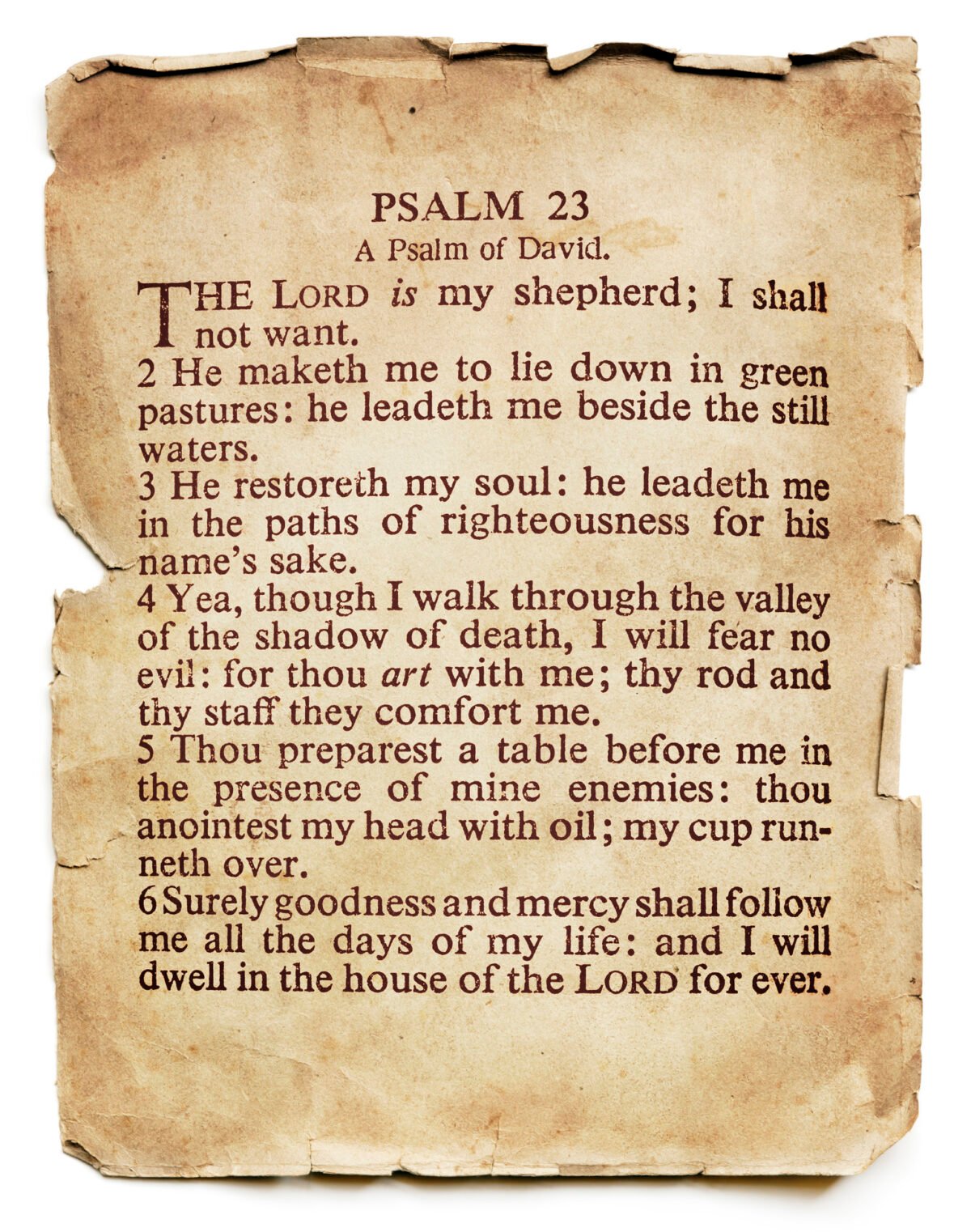
“The Lord is my shepherd; I shall not want” (Psalm 23:1).
David begins this psalm with the line, “The Lord is my shepherd; I shall not want” (Psalm 23:1). “My Shepherd” indicates a close, intimate, and personal relationship David has with the Lord. He’s not just any Shepherd, but his shepherd. By context, shepherds protect, guide, feed, and stay near their sheep. Why? Because sheep are prone to wandering and doing what they want. They don’t mean to get into trouble, but often find themselves there when they’ve chosen to follow desire or go their own way.
David says that God is our shepherd; therefore, His soul doesn’t need anything else. That doesn’t mean he won’t have desires for other things, but that he trusts God will provide what we truly need. In the 21st-century, this kind of trust is hard to come by. We have anxiety about provision, control, and self-sufficiency. But trusting God daily is a practice we can get better at over time. And how do we practice that? We obey His command to “lie down in green pastures.”
“He makes me lie down in green pastures” (Psalm 23:2)
By verse 2, we see that lying down in green pastures is often something God has to make us do. Even David, a man after God’s own heart, knew that God would have to force him at times to rest in Him. Sheep only rest when they feel safe. Like sheep, sometimes we are safe, but we don’t feel that we are.
The beauty of the Gospel is that God leads His people into rest and not constant striving. These green pastures don’t just symbolize nourishment, but sustaining renewal. In an age of burnout, the Sabbath is ignored. But caring for mental and spiritual exhaustion matters to God; it should also matter to us. When we accept this rest, instead of ignoring it, the next part of David’s psalm becomes true: “He restores my soul.”