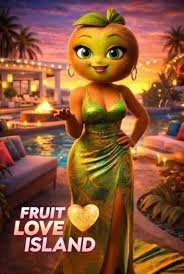
What “Fruit Love Island” Reveals About Our Appetite for Empty Entertainment
Check out the featured post and read more here: https://www.christianity.com/wiki/current-events/what-fruit-love-island-reveals-about-our-appetite-for-empty-entertainment.html
It’s late Tuesday evening. You should be sleeping, but instead, you find yourself stuck in the dopamine loop of late-night scrolling, half paying attention, mildly amused, but not truly engaged. After a few swipes and hours have passed, a strange realization comes over you. Not only is it now 2 am, but you also find yourself asking, “Why am I watching this?” What is this, you might ask?
In an era of AI-generated, intentionally low-quality clips, reels, and videos, some things are obviously fake while others deceive us. At the top of the list is TikTok’s newest March 2026 parody, Fruit Love Island. As an AI-generated TikTok microdrama, the show features buff fruit characters in a Love Island-style dating show. With over 300 million views and followers in just 12 days, the show is known for focusing on chaotic drama between characters like Bananito and Pinapina.
On the surface, it’s an odd and somewhat absurd premise. With awkward dialogue, glitchy visuals, and clearly AI-created content, the show is crunchy yet cringeworthy. And yet, millions are watching. While it might just seem like a strange obsession, this isn’t just a weird internet trend. In fact, it’s happening at the exact same time people are raising concerns about “AI slop.” According to CNET, AI slop is defined as “shabby imitation of content, often a pointless, careless regurgitation of existing information. It’s error-prone, with summaries proudly proclaiming made-up facts and papers citing fake credentials.” It’s content that’s designed to grab attention, but not actually nourish us.
Friends, this isn’t just about what we’re watching, but who we’re becoming in the process. Shows like Fruit Love Island might be funny, but are we truly feeding our souls? If we are called to dwell on what is true, noble, and lovely (Philippians 4:8), what does it say about our hearts when we crave what is empty?The Rise of “Empty but Addictive” Content
As defined above, “AI slop” is called slop because it hinges on being fast, cheap, and algorithm-driven. It’s content that doesn’t quite make sense, and yet we’re drawn to it and can’t stop scrolling. This kind of content prioritizes engagement over excellence because it’s built to be consumed quickly, not remembered.
Shows like Fruit Love Island matter because it’s intentionally low quality, and that’s part of the appeal. It doesn’t ask anything of you. You can sit back, relax, and “enjoy” the show if that’s what you call enjoyment. It’s easy, mindless, and requires no emotional investment. However, when we take up space in our minds with this kind of production, we’ve moved from storytelling to stimulation. Our culture used to aim for meaning, beauty, truth, and messages worth standing for. But now? We’ve aimed for retention, clicks, likes, and algorithm boosts. We aren’t just consuming content; we’re being trained by it.
What This Reveals About Us
Sadly, there’s a hard truth with this reality. This trend is actually saying less about creators and more about us as consumers. Why? Because society is known for “AI slop” and empty entertainment, but we’re the ones fueling it and entertaining it. Underneath it all? Three cravings stand out:
1. We crave distraction more than depth.
While it’s not bad to watch shows just for enjoyment, constantly distracting ourselves from reality isn’t the best way to heal and grow. When life feels heavy, we escape into nonsense. This is the typical coping skill for most of us. But this distraction doesn’t heal; it temporarily numbs.
2. We prefer easy over meaningful.
Similar to watching shows for enjoyment versus education, it’s okay to desire easy things in life. Thoughtful content does require more attention and effort. But empty content allows us to remain and stay passive. Is that truly healthy?
3. We’ve lowered our standards without noticing.
Without noticing, we as a culture have lowered our standards, so what once felt “bad’ now feels normal and “acceptable.” But constant exposure to an ever-changing and adapting world continually reshapes our expectations, for the good and the bad. And ultimately, we don’t drift toward what is good or holy, we drift towards what is easy and convenient.