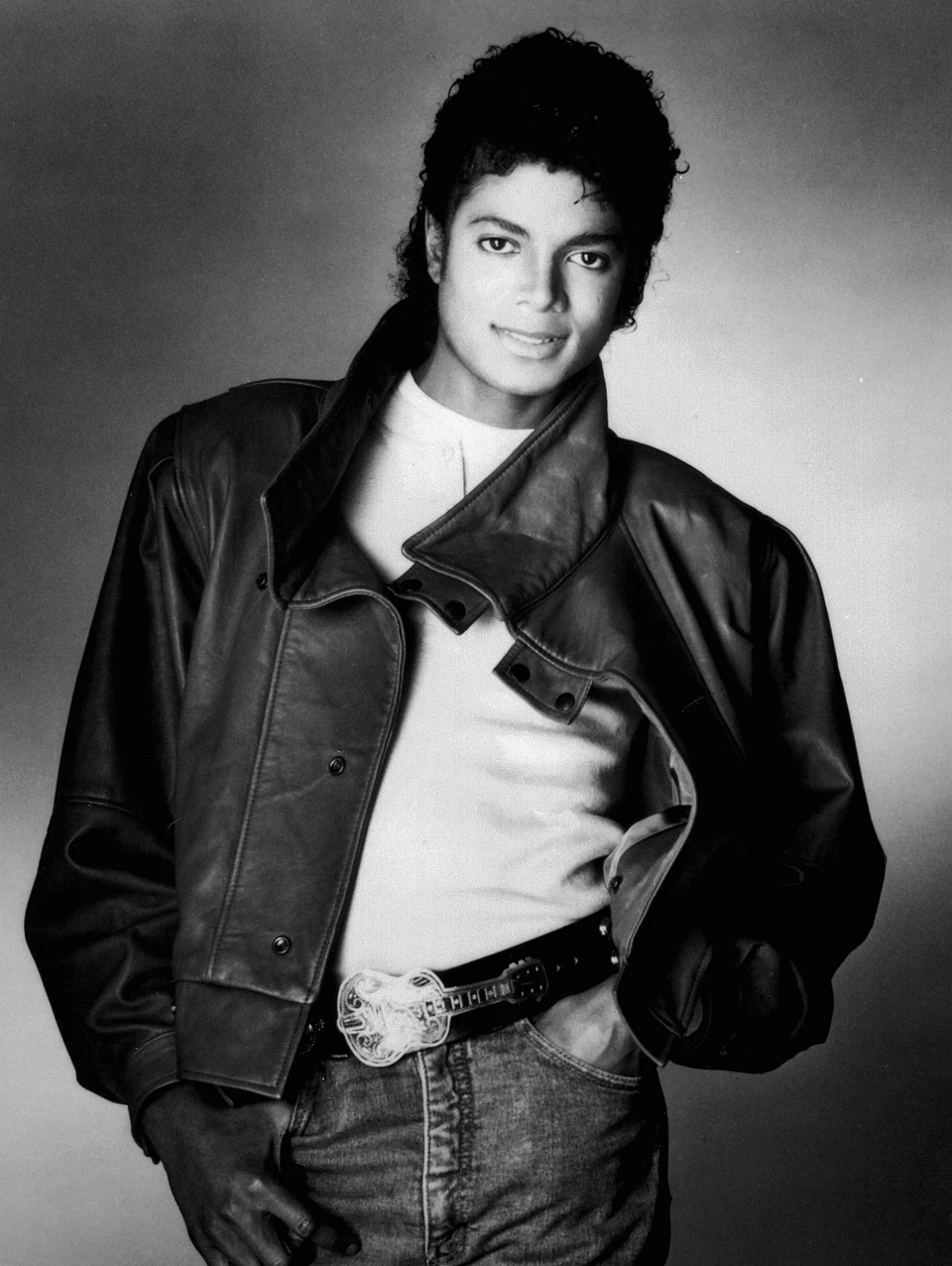
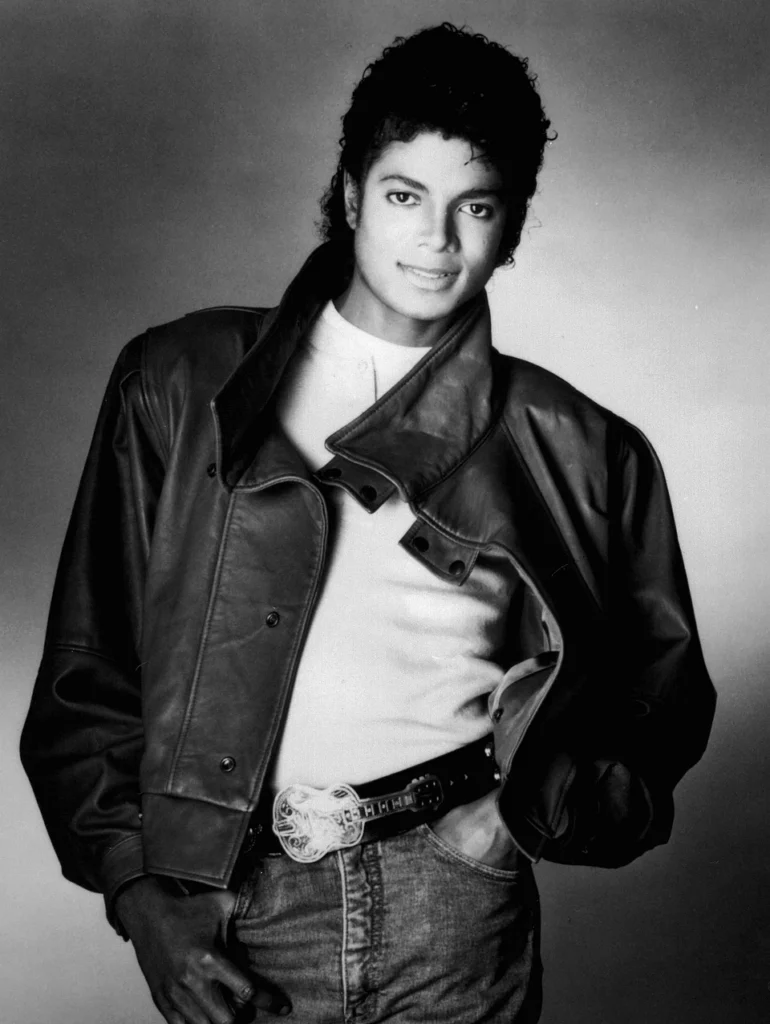
Check out the featured post and read more here: https://www.christianity.com/wiki/current-events/what-the-new-michael-jackson-movie-reveals-about-talent-and-truth.html
Perhaps the most famous American singer-songwriter and dancer of the mid 19th-century was Michael Jackson’s smooth moves and pop music lyrics. Breaking racial barriers worldwide and selling over 500 million records across the globe, he was one of the best-selling artists still known in the 21st century.
With his hit works, “Thriller,” “Billie Jean,” and “Beat It” topping the list, Jackson was known for blending funk, rock, and electro pop tunes in a way that would never go out of style. As of 2026, he’s still trending. The new Michael Jackson movie, “Michael,” directed by Antoine Fuqua (Lionsgate), shows the star’s rise to fame and features his nephew, Jaafar Jackson.
“Michael” aired on April 24th, 2026, and a lot of buzz has climaxed around the anticipation, controversy, and cultural weight of Michael’s past influence on civilization. Undeniably, he had a major impact and legacy on musicians and dancers of all genres. But what do we do when someone’s talent is undeniable, but their story is complicated? Can we celebrate what’s gifted without confronting what’s broken?
Why Does “Michael” Matter?
According to Inside Higher Ed, biopics are films that dramatize the lives of real historical figures such as artists, politicians, dancers, and musicians. These films thus drive human empathy and often alter our perception of real-life figures because those in the past seem to have “had it all together.”
While many idolize Jackson, biopics like these certainly shape public memory, especially for younger generations. If Gen Z doesn’t know the full history, what’s not to like? The reality is that, as good as these movies might be, films don’t just tell stories, but they heavily frame them. And this presents a major tension and a flag for concern.
Yes, we want to honor artistry and the hard work these individuals poured into their craft. But we also need to handle real allegations and the pain that often results. The point here isn’t just about Michael Jackson, but about how culture processes truth for all who have moved on from this life.
The Power of Talent to Influence Perception
I’ve heard it said that people see what they want to see and believe what they want to believe. This applies in relationships, jobs, and everyday life. But it also applies to the talent industry and influencers impacting our actions.
Talent is a beautiful thing created by God. It creates an emotional connection, which then leads to admiration and loyalty. When someone’s gift impacts you deeply, it becomes harder to hold tension. Our feelings are met dab smack in the face with reality. And so, we tend to defend, minimize, and ignore uncomfortable truths (even if we know deep down they’re right).
Sadly, the more someone’s gift has shaped us, the harder it is to question their story. And this is true across the board of celebrity culture extensively, not just Michael Jackson’s story.
The Cultural Pattern of Selective Truth
Today, society often chooses talent over truth and influence over integrity. It doesn’t matter what they did or said last night because their gifts override their actions.
The risk with this behavior and their influence is that we silence victims, rewrite narratives, portray unrealistic ideals, and prioritize comfort over honesty. So instead of just consuming stories, we decide which parts we’re willing to see. Why does this happen?
First, we’re living in a world consumed by social media. Platforms like IG, TikTok, and FB favor those with large followings, push them out via the algorithm, and equate their value to power rather than truth.
Second, we’re living in a society driven by instant gratification. Talent and charm are attractive and can gain immediate results. We’re drawn to these things. However, without integrity, the satisfaction doesn’t last.
Finally, we want convenience over principles. We all tend to take the “easier” path just because we’re tired. We know it might not be the best choice, but our efforts wane in finding a quicker or better substitute.