When Scripture Goes Viral: Ezekiel 25:17, Pulp Fiction, and Faith Language in Public Spaces
Check out the featured post and read more here: https://www.christianity.com/wiki/current-events/why-is-ezekiel-2517-going-viral-again.html
In the 21st century, people quote Scripture quite frequently. Despite the warnings in Deuteronomy 4:2 and Revelation 22:18-19, however, many take the words out of context (even unknowingly).
The Bible is clear: “Do not add to what I command you and do not subtract from it, but keep the commands of the Lord your God that I give you” (Deuteronomy 4:2, NIV). We are to take responsibility for every word we say (Matthew 12:36) and speak with wisdom. But what happens when public figures mistake pulp fiction for Scripture? Who is to be held responsible? Did they know what they were doing?
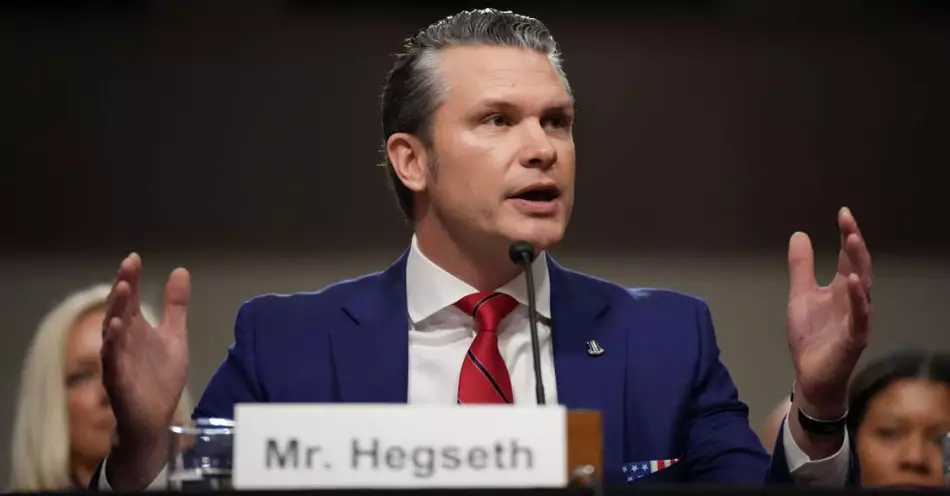
On Thursday, April 16th, 2026, Pete Hegseth, United States Secretary of War, quoted what he called CSAR 25:17 at a local Pentagon church service. According to Variety.com, “Hegseth told the assemblage that the prayer was recited by the “Sandy One” Combat Search and Rescue (CSAR) mission in Iran. “They call it CSAR 25:17, which I think is meant to reflect Ezekiel 25:17,” the secretary said.”
Regardless of his intentions, Hegseth’s modern and military reference adaptation of Ezekiel 25:17 sounds like Scripture, but it isn’t from the Bible. Rather, the quote actually originates from Pulp Fiction (Samuel L. Jackson’s monologue). This raises an immediate red flag:
When religious language shows up in places of power, do we actually recognize what is Scripture, or only what sounds like it? This isn’t about politics, placing blame, or mocking a mistake, but about how easily biblical language can become cultural if we aren’t careful.
What Was Said VS. What Scripture Actually Says
In Hegseth’s prayer, Ezekiel 25:17 was quoted as follows:
“The path of the downed aviator is beset on all sides by the inequities of the selfish and the tyranny of evil men. Blessed is he who, in the name of camaraderie and duty, shepherds the lost through the valley of darkness, for he is truly his brother’s keeper and the finder of lost children. And I will strike down upon thee with great vengeance and furious anger those who attempt to capture and destroy my brother, and you will know my call sign is Sandy One when I lay my vengeance upon thee. Amen” (via Defense Now).
While this passage may sound sincere, it’s actually widely known and taken from Pulp Fiction, a 1994 American independent African American comedy crime film. The speech was stylized and adapted by actor Samuel L. Jackson in the movie.
In Scripture, however, Ezekiel 25:15-17, for context, reads this way:
“This is what the Sovereign Lord says: ‘Because the Philistines acted in vengeance and took revenge with malice in their hearts, and with ancient hostility sought to destroy Judah, therefore this is what the Sovereign Lord says: I am about to stretch out my hand against the Philistines, and I will wipe out the Kerethites and destroy those remaining along the coast. I will carry out great vengeance on them and punish them in my wrath. Then they will know that I am the Lord, when I take vengeance on them” (Ezekiel 25:15-17, NIV).
In case you can’t blatantly spot the differences, it’s noted that the biblical passage is shorter and context-specific. It’s not a war message for this day and age, but part of a prophetic judgment against the Philistines. God would declare covenantal justice, and this Scripture wasn’t created to be mocked in a theatrical moral monologue about vengeance and identity.
What matters here isn’t just that the quote is misattributed; it’s that most people recognize the movie version before they ever recognize the biblical one. When they confuse the truth between the two, damage to souls can result.
Why Did Pulp Fiction (and this clip) Go Viral?
While it might seem strange that a 1994 movie clip is just now going viral, the quoting of Pulp Fiction mistaken for Scripture in Hegseth’s prayer presents 3 key drivers of authority:
1. Religious Tone Carries Authority.
In one sense, it’s good that society is hearing Scripture. On the flip side, however, when this “Scripture” is a manipulated and movie-driven version of Scripture, are we causing more harm than good? Even when people aren’t religious, biblical cadence seems to carry weight, authority, and feel heavy. But again, at what cost?
2. Pop Culture Carries Authority.
Like biblical passages taken out of context, pop culture also carries authority. This really goes without saying, but our culture is influential. Many people know Pulp Fiction better than Scripture. But when we’re more likely to quote our favorite films and shows than what God really says as truth, are we helping or hurting the world around us?
3. Institutional setting (Pentagon).
Like any big event, speech, or meeting, where someone says something matters. The fact that Hegseth prayed this prayer at an institutional setting, the Pentagon, isn’t coincidental. Faith language used in government spaces always draws attention. The problem is, many of these clips are being spread without context, and people are reacting before verifying. If this were the only version of Scripture you ever heard, what would you think? Would you believe it? How would you feel? Viral moments thrive when something feels “familiar but uncertain,” but viral content doesn’t equate fact.
When biblical language gets “unstuck” from context, it becomes symbolic rather than theological. In other words, the Holy Word of God becomes “moral language” instead of the authority and power of Scripture.
Biblical Ezekiel gave a prophetic warning. A message to God’s people and the enemy about His covenant relationship with Israel. It was a message rooted in justice and accountability. But Pulp Fiction made a cinematic statement. One stylized by a vengeance speech before shooting a character to death, and clearly detached from historical or biblical context.